Run your hand across two dining tables that look nearly identical, and you'll sometimes notice something odd: one feels solid and substantial, the other doesn't quite hold up the same way. That difference almost always comes down to materials, and it's exactly why two similar-looking tables on the showroom floor at Mauston Furniture & Appliance can land at very different price points.
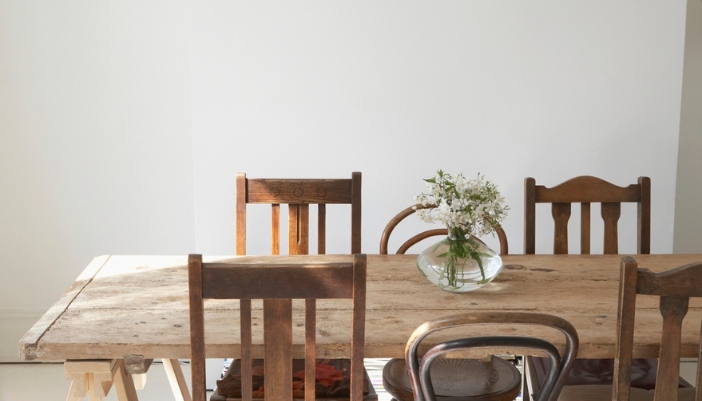
Why Two Tables Can Look Nearly Identical and Perform So Differently
Two tables can share almost the same silhouette and still be built from completely different stuff underneath the surface, and it usually comes down to two things: what the wood actually is, and how it was put together.
Start with the wood itself. Hardwoods like oak and walnut resist scratches, dents, and daily wear far better than softer woods like pine, simply because the wood is denser to begin with. A hard bump from a moving box that barely registers on an oak table can leave a real mark on a pine one, and that same density is what lets a solid hardwood piece hold up to more weight over time, more serving dishes, more everyday use, without the surface giving way.
Construction matters just as much. A lot of furniture uses veneer; a thin layer of real wood applied over a core material like particleboard, instead of solid wood all the way through, and it's not something to write off just because it isn't solid. Veneer is often what makes certain finishes possible in the first place, though it tends to wear differently than solid wood around edges and corners over the years, which is the trade-off worth knowing before you buy.
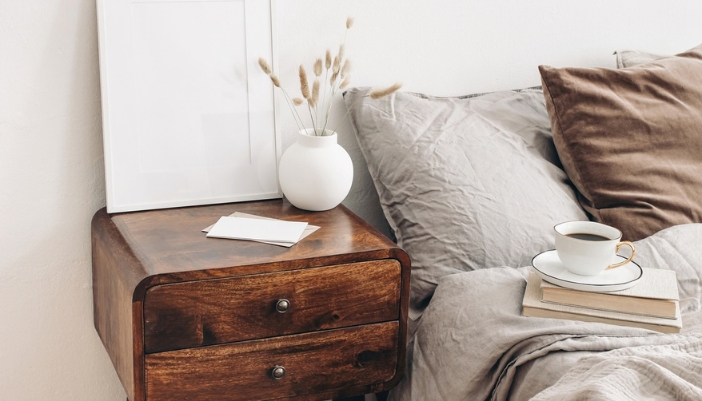
The Finish Matters as Much as the Wood Itself
The wood underneath only tells half of the story. What's brushed, sprayed, or rubbed onto the surface changes how a piece actually holds up to daily life, sometimes more than the wood choice itself.
- Oil finishes: soak into the wood for a natural, low-shine look, but need reapplying every so often to keep protecting the surface underneath.
- Lacquer finishes: sit on top of the wood instead of soaking in, creating a harder, more scratch-resistant shell that can show chips more visibly if it's ever damaged.
- Matte finishes: split the difference with a modern, low-gloss look, though they show fingerprints and water rings more easily than a glossier topcoat.
None of these is the wrong choice. It comes down to how much upkeep feels reasonable for the piece in question, and where it's going to live.
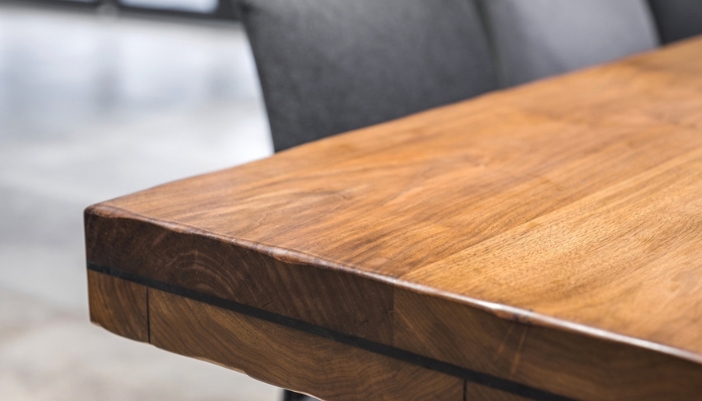
Matching Wood to the Way You Actually Live
Different woods naturally lean toward different moods, and matching one to your space has less to do with rules and more to do with how a room already feels.
- Walnut: brings warmth wherever it goes, with a rich, deep tone that works especially well in a room that leans cozy rather than bright and airy.
- Oak: leans practical and durability-forward, making it a natural fit for households where furniture needs to survive kids, pets, and the occasional dropped casserole dish without much drama.
- Pine: has a lighter, more casual look that fits farmhouse and relaxed spaces well, especially for pieces that don't need to survive decades of heavy daily use.
No option here is a bad choice, just a different one. The better question is which wood fits how the room actually gets used, not which one wins on paper.
A Grain of Truth
Next time you're standing in front of a few tables that look nearly the same, you'll know exactly what's different underneath and why one might serve you better for years to come. Stop in with your questions, or browse our dining and living room tables, and the team at Mauston Furniture & Appliance can help you find the one built for how you'll actually use it!